VR Design / AR Assembly
Katrina Tyler
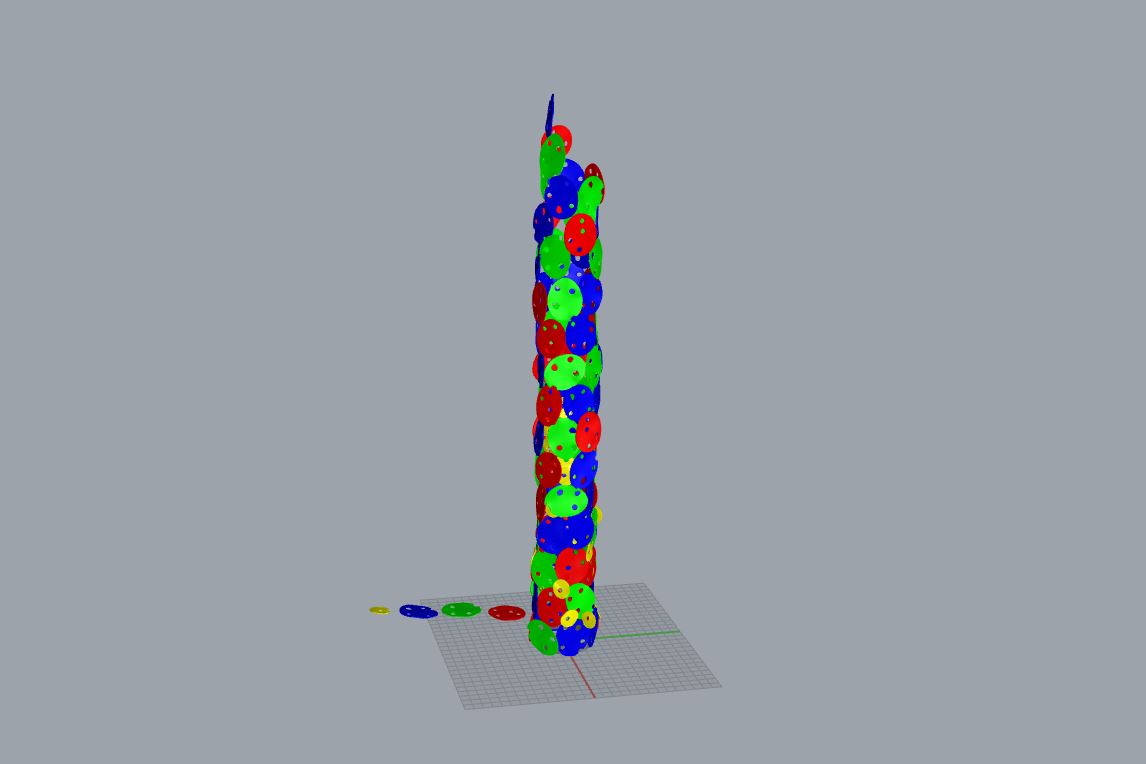
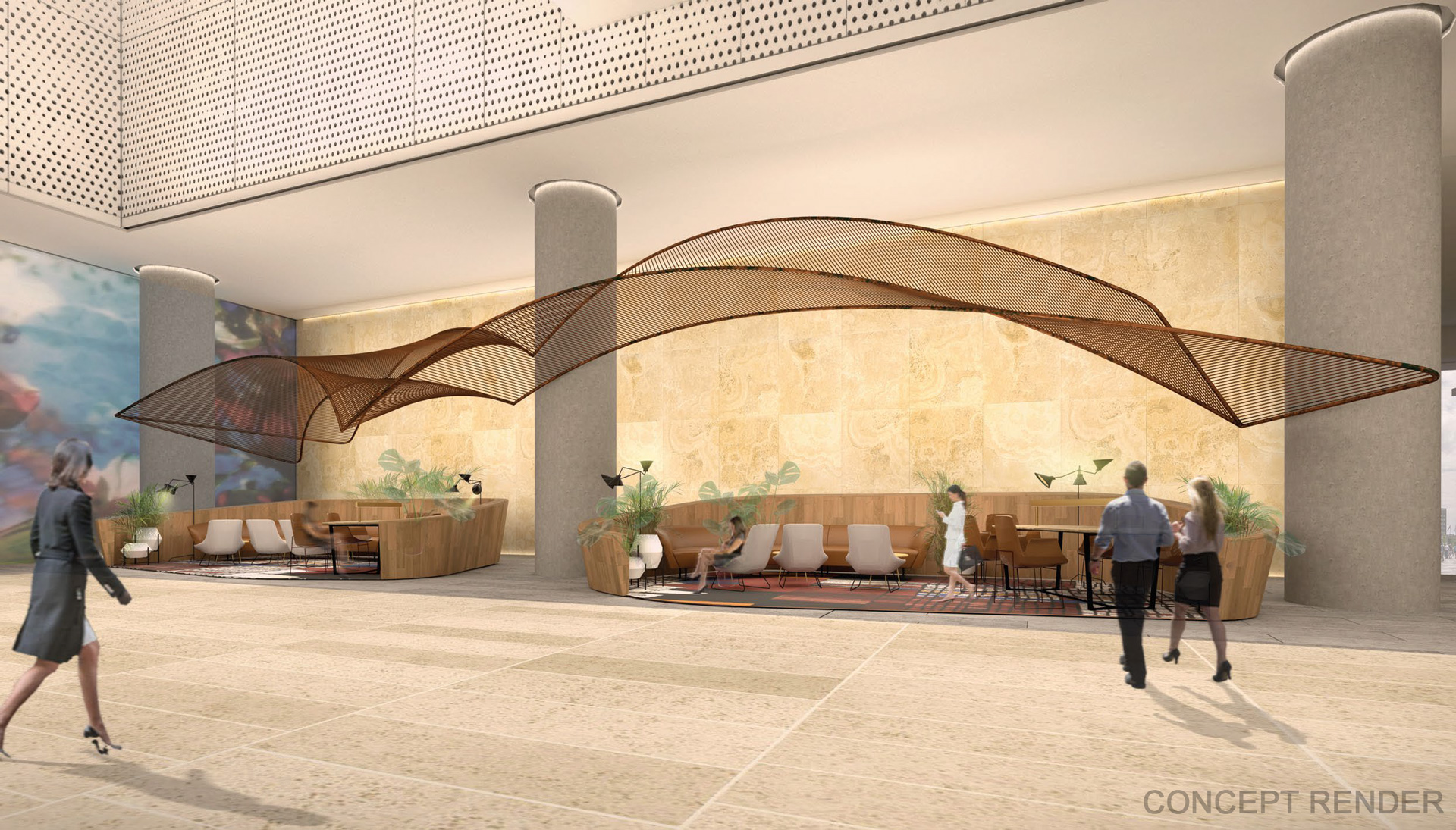
’s "Flourish" sculpture became a pioneering case study in digital prototyping for fabrication, leveraging VR (Hololens) to streamline assembly under strict safety constraints (hand entrapment/climbability gaps).
Key Innovations:
Why It Worked: A perfect marriage of artistic complexity and industrial pragmatism—proving XR’s value in bridging design intent and physical execution.
(Future potential: Scaling AR workflows for large-team fabrication or modular construction.)
Project details
Design Robotics
UAP
Key Innovations:
- VR Spatial Planning: Replaced tedious on-screen placement with real-scale, immersive module arrangement.
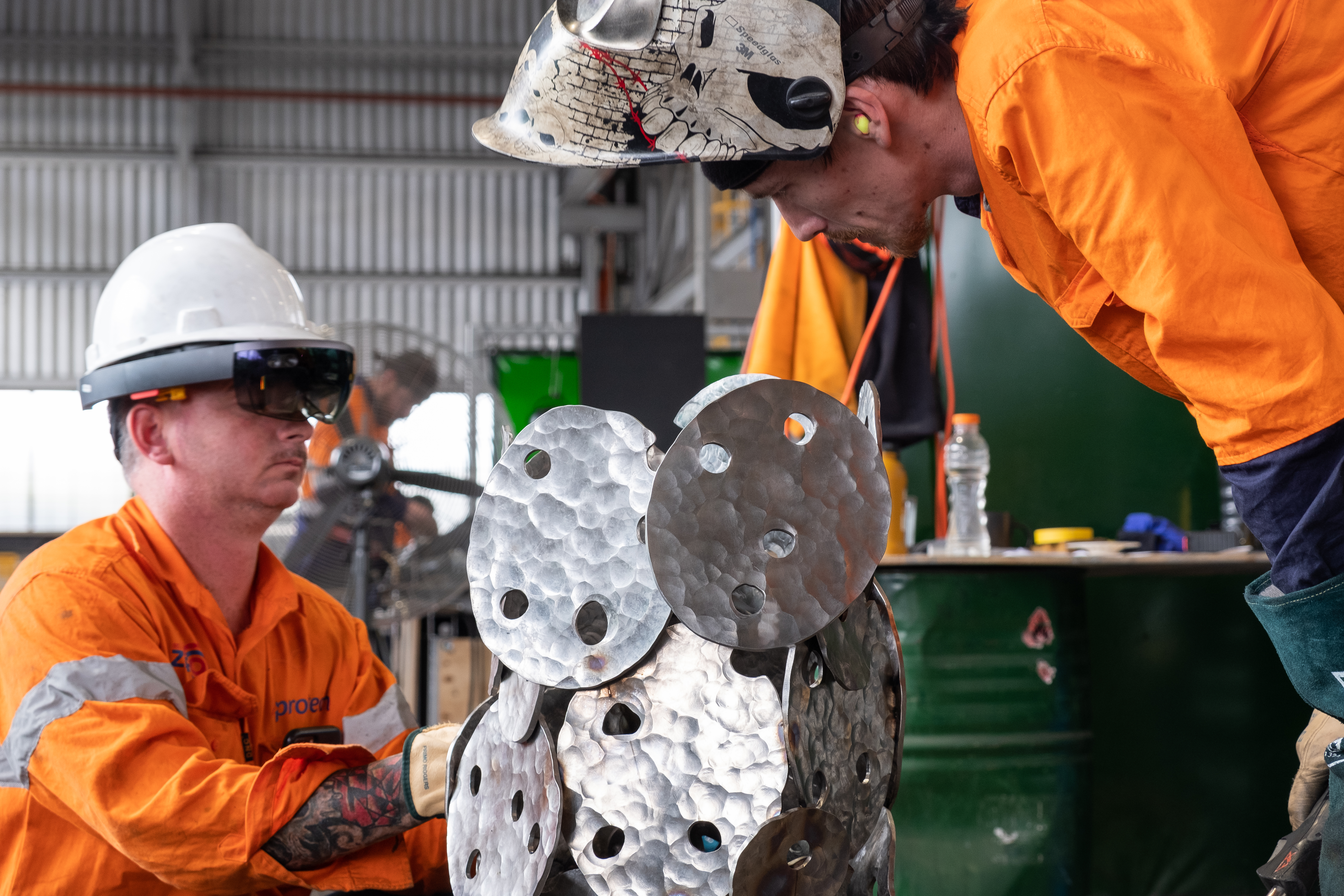
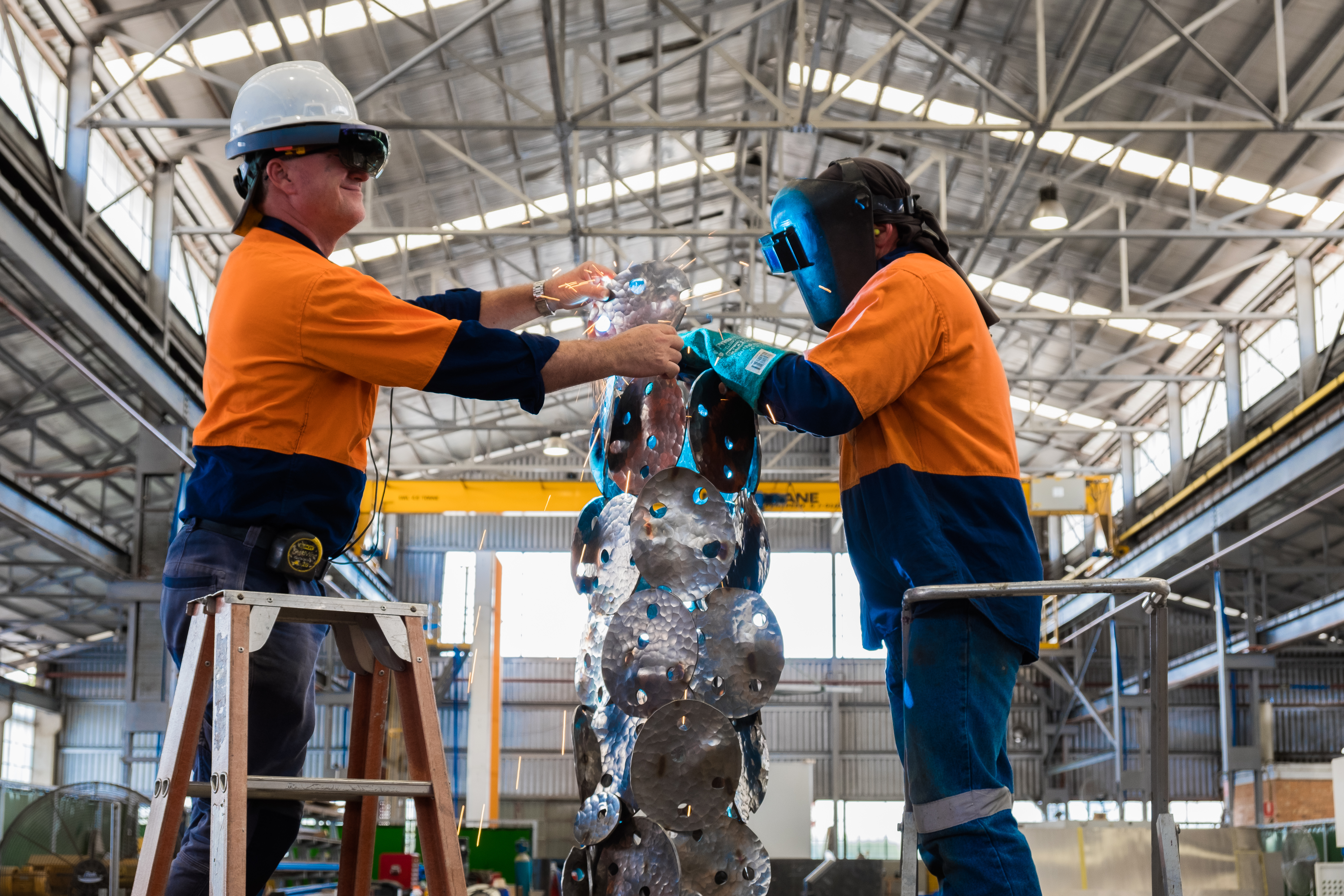
- AR-Assisted Fabrication: Trained workshop staff to use Hololens for real-world assembly guidance and tack welding, reducing dependency on 2D drawings.
- Efficiency Gains: Eliminated hours of manual measurement checks, despite initial device troubleshooting.
Why It Worked: A perfect marriage of artistic complexity and industrial pragmatism—proving XR’s value in bridging design intent and physical execution.
(Future potential: Scaling AR workflows for large-team fabrication or modular construction.)
Project details
Design Robotics
UAP




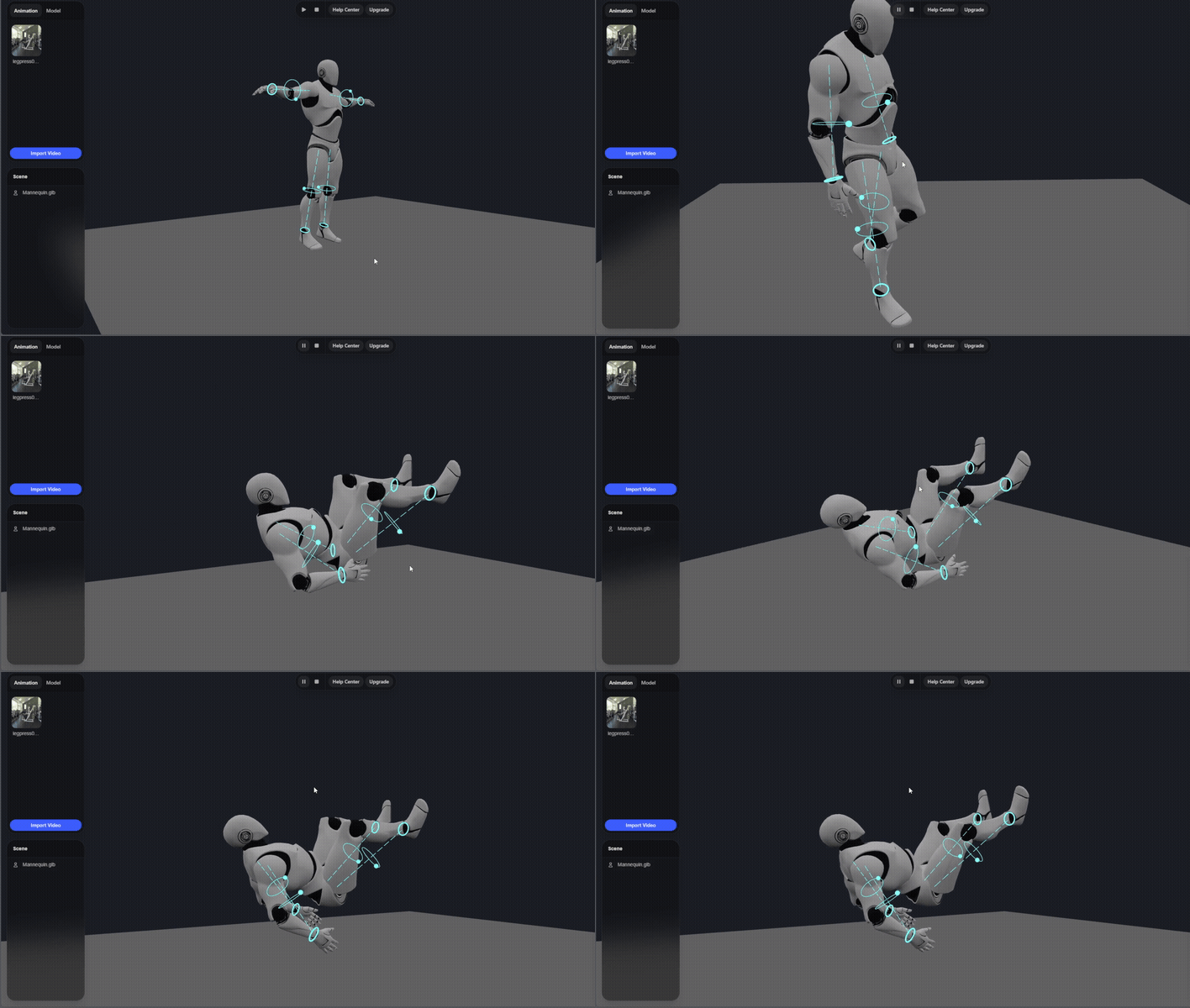
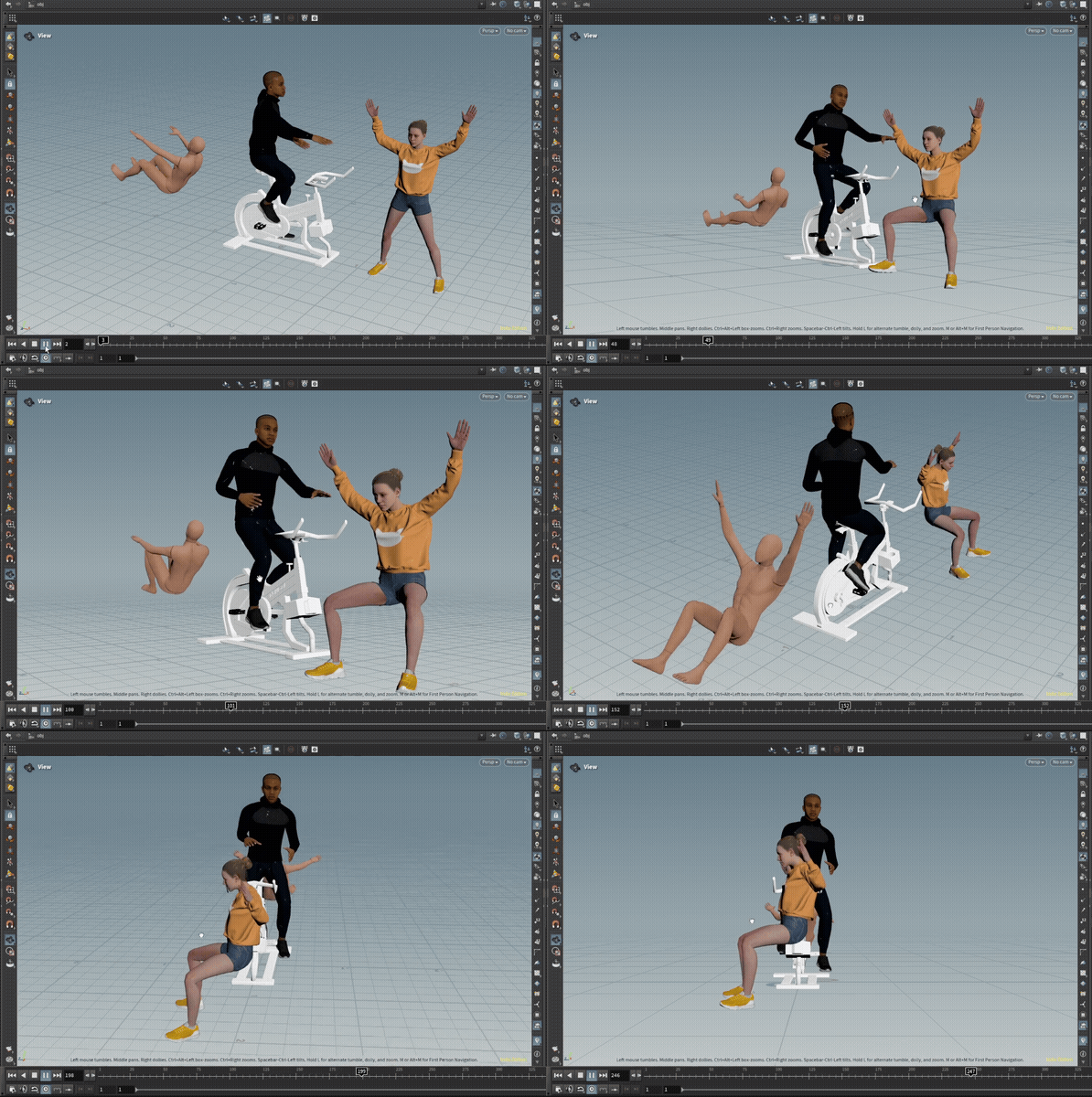
AI mocap / Edutech AR
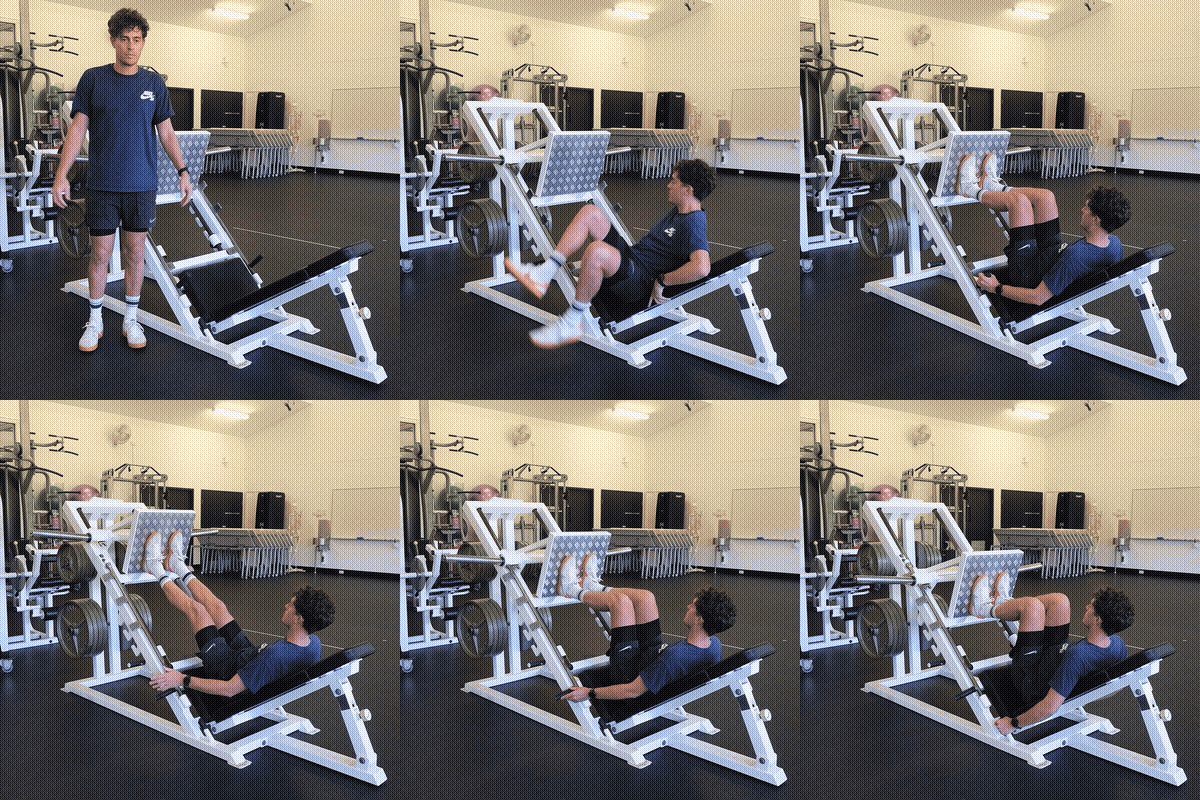
The processed motion data was then retargeted onto custom 3D models and integrated into a WebAR environment using Zappar Matterport enabling users to visualize the animations in real-time via their smartphones. The prototype was designed as an interactive fitness assistant, demonstrating proper gym equipment usage and posture correction without relying on traditional video tutorials—offering a more dynamic, 3D spatial learning experience.
While the project remained in the prototyping phase, it showcased the potential of AI motion capture, procedural animation, and WebAR in creating accessible, immersive training tools. This approach could be expanded into enterprise training, remote coaching, or even physiotherapy applications, highlighting the intersection of XR, AI, and real-world utility.
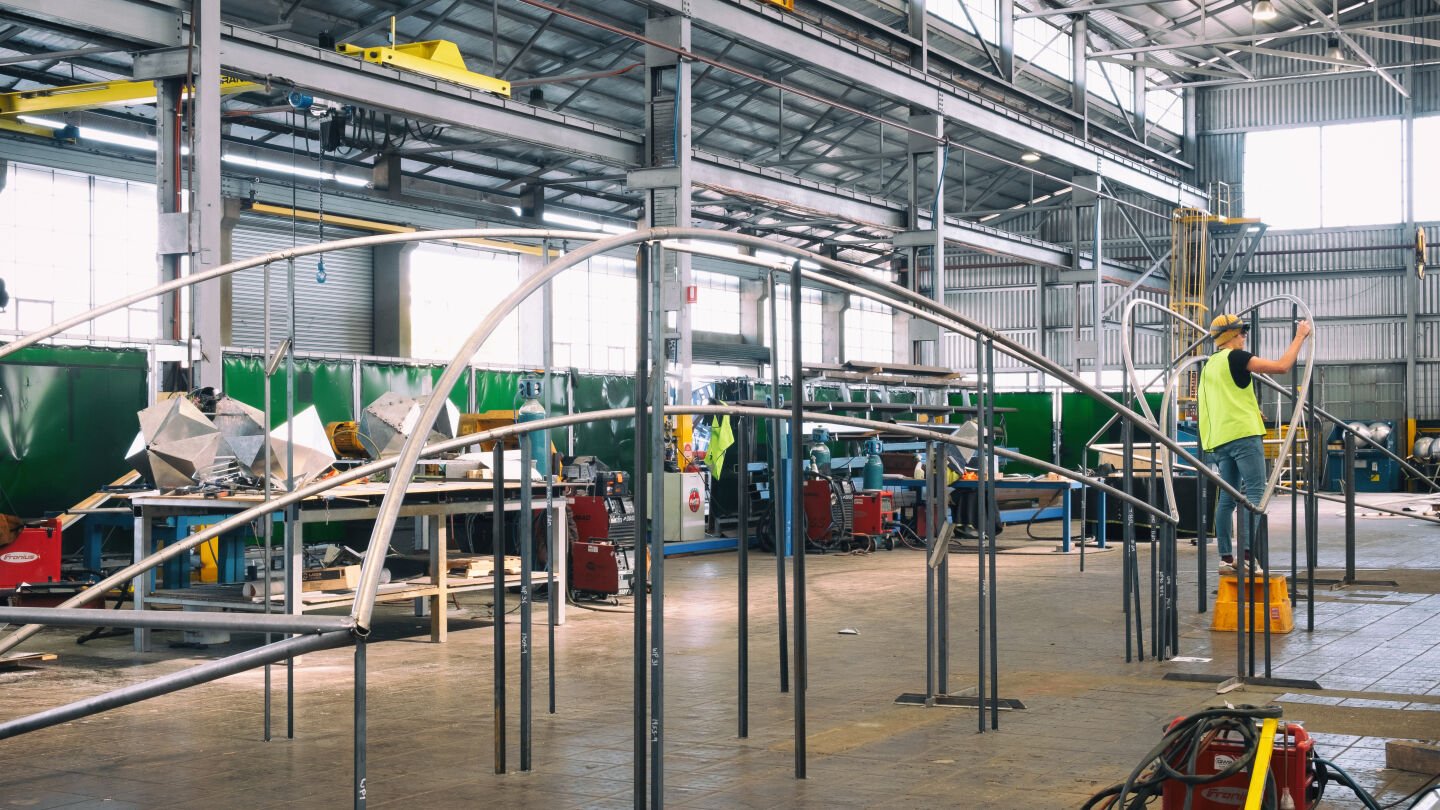
Augement Assembly Fabrication (ARfab)
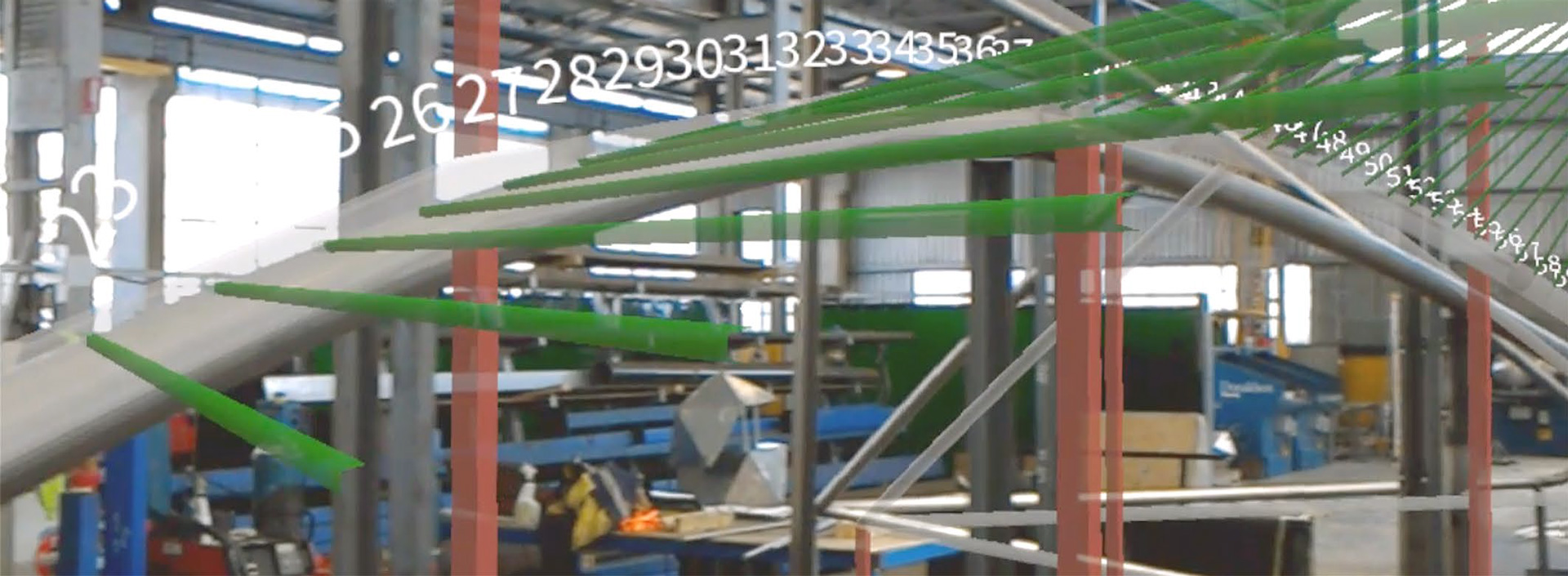
Precisely align a virtual CAD model (with 500+ unique rod locations and drill holes) to the physical structure for accurate tack welding – traditionally a drawing-intensive process prone to human error.
AR Solution:
- Successfully anchored the Hololens to the main structure (despite initial skepticism about tracking reliability)
- Enabled workshop teams to visualize and mark hole locations in AR, eliminating constant drawing references
- Completed the task faster than traditional methods, with superior accuracy
Impact:
- Significant labor hours saved in measurement and layout
- Demonstrated AR's potential to bridge digital design and physical fabrication
- First-hand validation of wearable AR's readiness for industrial workflows
When tracking works (sometimes miraculously), AR can outperform conventional methods – this project paved the way for more ambitious XR fabrication applications.
Project Details
Design Robotics
UAP
Interview




VR prototyping
Project: Developed an end-to-end VR-to-fabrication pipeline for artwall surfaces and parametric lighting systems.
- This VR Surface Treatment Systemcreated virtual marking tools in VR thattranslated directly to CNC machining workflows.
- Parametric Lighting Design procedurally generatived PLA light shades, to be printed using a robotic 3D printer
Established a realtime rendering pipeline in Unreal Engine that:
- Delivered cinematic-quality visuals with ray-traced reflections/refractions
- Achieved 600-frame renders in 30 minutes (vs. traditional 1min/frame offline rendering)
- Maintained perfect visual accuracy for fabrication previews
Impact:
- Reduced iteration time from days to hours for design validation
- Created a seamless bridge between digital creation and physical manufacturing
- Proved realtime engines can replace traditional rendering for technical visualization
This workflow represents the future of technical artistry - where design iteration, visualization, and fabrication speak the same language in real-time. The speed/quality ratio achieved here changes what's possible in digital manufacturing pipelines.
Project Details
Farm Website
Geo-located AR with webXR
Technical Pipeline:
- 3D scanned original sculpture remodeled & animated in VR
- Created site-specific digital twin using NeRF-generated 3D point clouds for accurate virtual scale representation
- Deployed via web-based AR (browser accessible) – no app install required
Impact & Reach:
- 25,000+ impressions during exhibition
- Enabled public interaction through personal mobile devices
Key Learnings:
- Sole technical lead: handled end-to-end development, from NeRF processing to AR deployment
- Onsite support provided invaluable UX insights (public interaction patterns, activation methods)
- Developed first-of-its-kind maintenance manual for virtual artworks
It proved that complex AR experiences can be both accessible (web-based) and scalable – while demonstrating how digital twins and 3D scanning can bridge physical and virtual art.
Project Details
Botanica events page
Artist’s videos


VR modeling / VR animation / shader + scale test / platform + site test